
I killed a string of pearls, two calatheas, and a maidenhair fern before I figured out what was actually going wrong. I blamed my watering, my light, my own bad luck. Then one January, watching the edges of my fiddle leaf fig go brown one leaf at a time, I borrowed a friend's hygrometer and found out my apartment sat at about 30 percent humidity. That number explained two years of failures. It is also why I now run a MOVTIP mini humidifier in my living room from November through March.
Humidity does not get talked about the way light and water do, but it is the third leg of the stool. If you keep plants in an apartment with forced-air heat, you are fighting it every winter without knowing it. Here are the ten reasons I stopped treating humidity as optional, and the small humidifier that changed how my plants get through the cold months.
Dry winter air was the problem. This small humidifier was the fix.
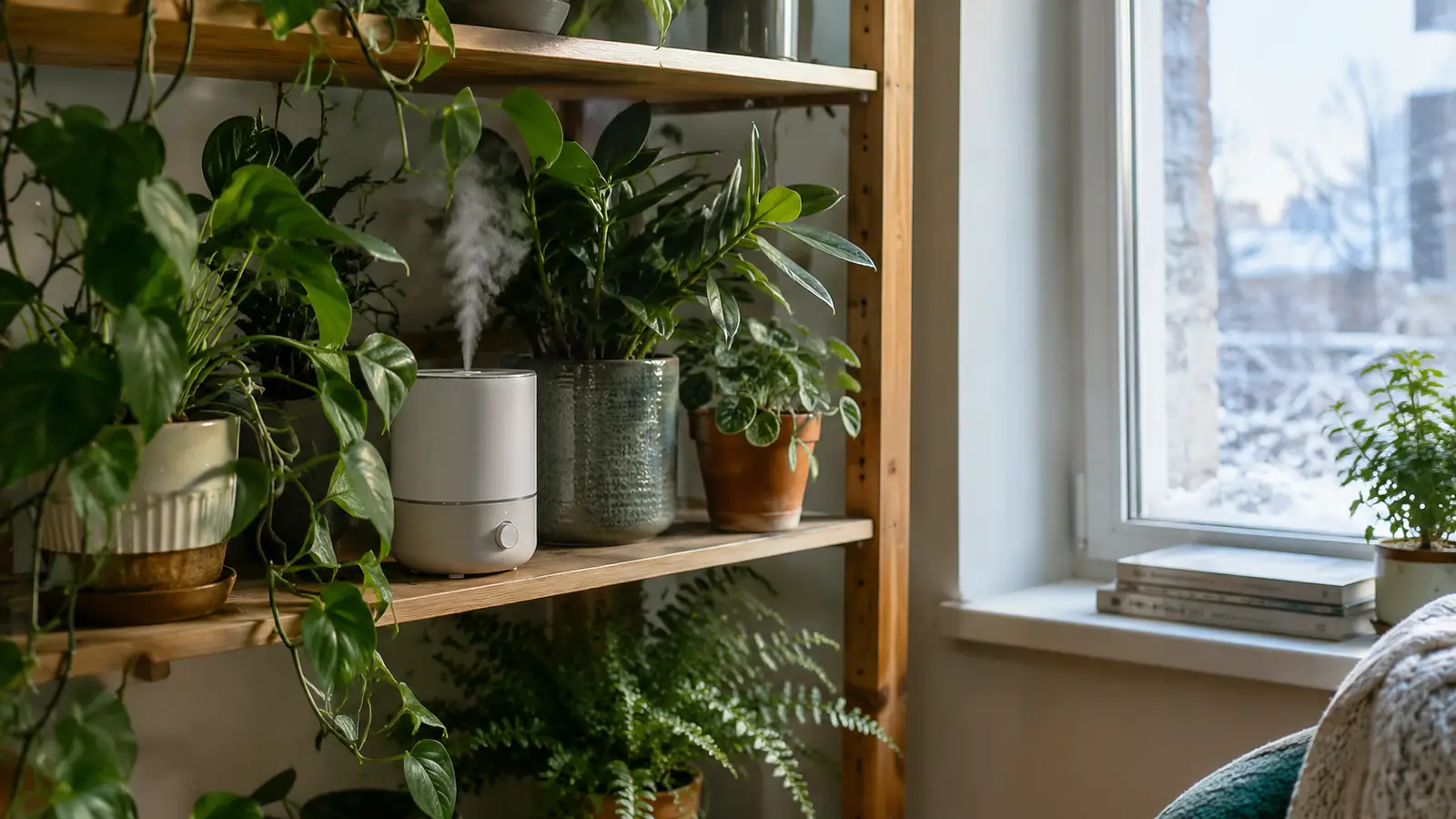
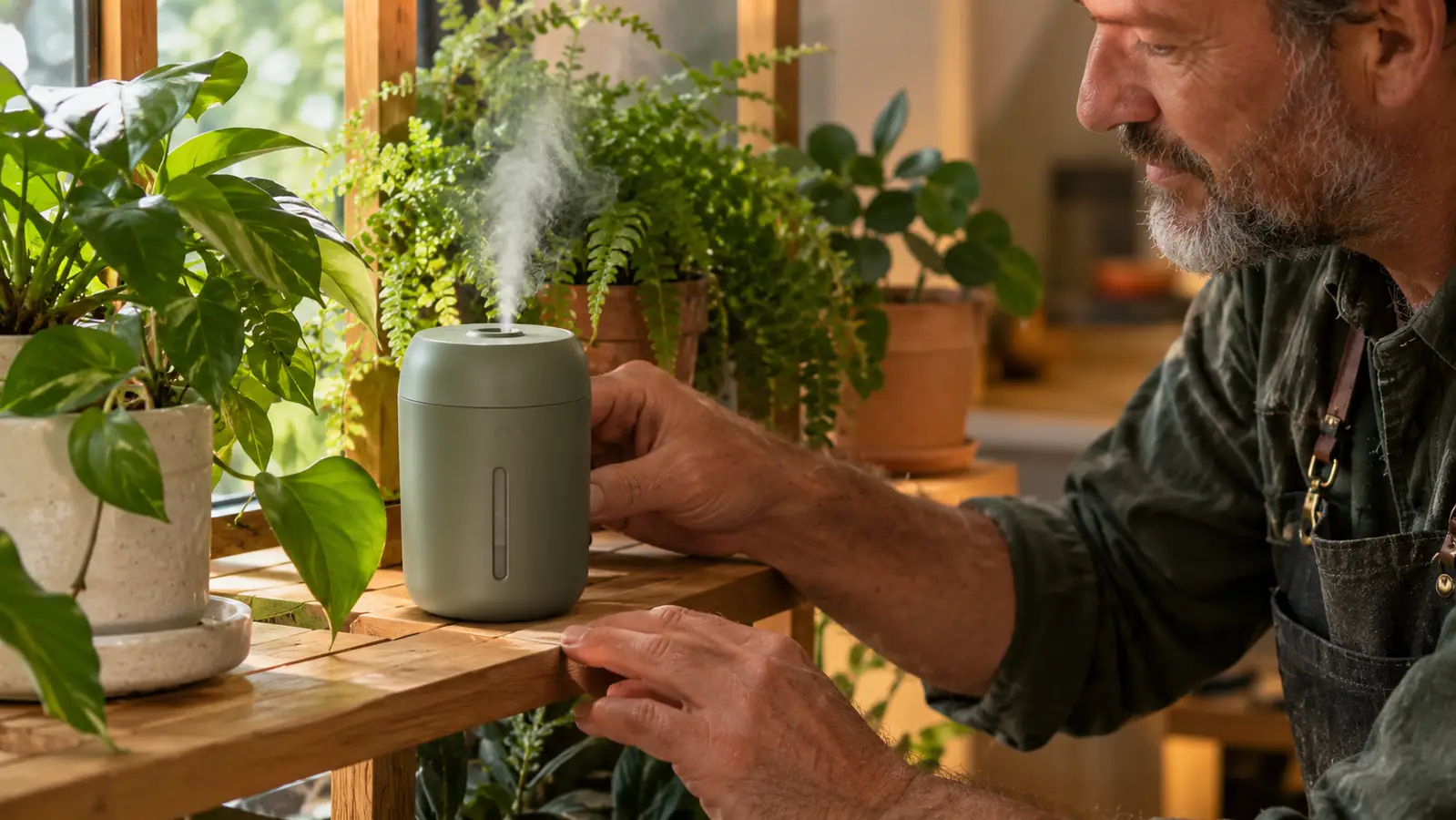
The MOVTIP is a general-purpose mini humidifier, not a plant gadget, and that is exactly why it works. A 500ml tank is small, which means refills every day or two in winter, but it is quiet, portable, and easy to move between my two rooms of plants.
Amazon Check Today's Price on Amazon →Brown leaf tips are the earliest warning sign
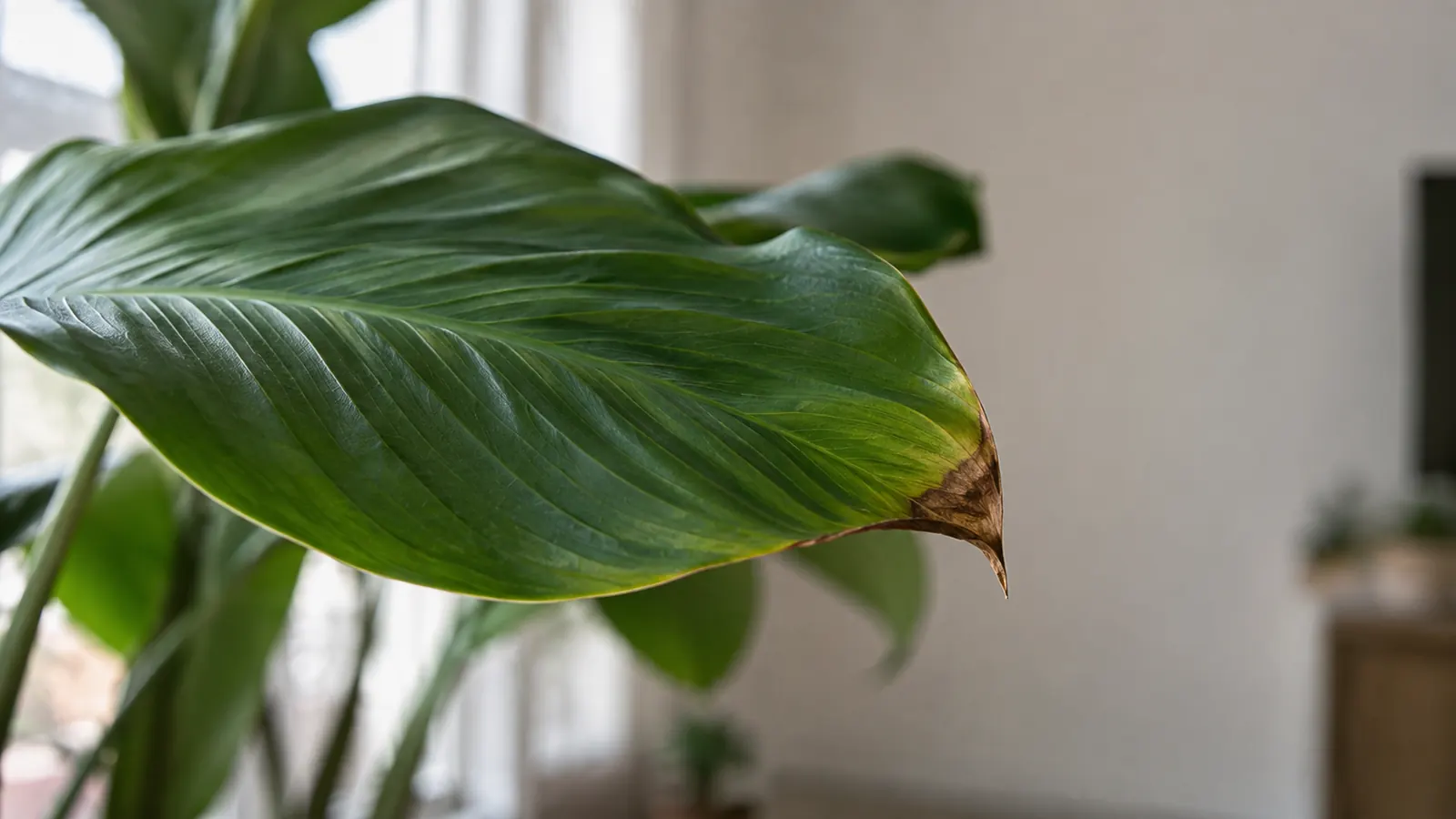
The first winter I had Gus, my fiddle leaf fig, his oldest leaves started browning at the tips by February. I checked the soil, checked for pests, checked everything except the air. Leaf tips crisp up when a plant loses water through its leaves faster than its roots can replace it. That is a humidity problem, not a watering problem. Once I started running a humidifier through the cold months, new leaves came in clean, and I finally stopped assuming I was the problem.
Forced-air heat turns winter apartments into deserts
Portland winters mean the furnace runs from November to March, and forced-air heat pulls moisture out of the air. My apartment sat around 30 percent humidity, sometimes lower during the coldest weeks. I noticed it in my own hands first, dry and cracked every January, before I ever connected it to the plants. A room that dry draws water out of leaves the same way it draws it out of your skin, and there is no amount of careful watering that fixes that.
Dry air makes your watering routine stop working
I water on Sunday mornings, because I cook most weeknights and the routine only sticks on a day off. It worked all summer, then fell apart in January when the soil was bone dry by Thursday. Plants in dry air drink faster, so a calendar-based schedule stops matching what the plant actually needs. You end up overwatering one week and underwatering the next. When I added humidity, the soil stayed damp closer to a week, and I stopped second-guessing every single watering.
Stressed plants are what spider mites move into
I lost one of my calatheas to spider mites in a dry February. I sprayed, I wiped every leaf, I did everything the internet said, and I still threw the plant out by March. Spider mites love dry air, and a stressed plant is the easiest target in the room. Raising humidity does not guarantee you never see pests, but it makes the conditions they need much harder to find. That one lesson was worth the plant it cost me.
New plants struggle to settle in when the air is dry
Bringing a plant home from a greenhouse in winter is like moving someone from a rainforest to a desert overnight. The leaves droop, the oldest ones yellow, and people assume they bought a sick plant. What actually happened is the plant hit a sudden drop in moisture. Running a humidifier near a new arrival for the first few weeks smooths that transition and gives the plant a real chance to put down roots instead of dropping leaves.
Growth slows even when the light is good
My east-facing window gets direct sun until about 11am, which is the best light in my apartment. But in the dry months my plants just sat there. No new leaves, no movement. When the air is too dry, a plant basically closes its pores to hold onto water, and a plant that is busy holding onto water is not growing. The same plant with the same light pushes out new growth once the air has more moisture in it. Light was never the only problem.
It is not just the tropicals that care
People assume humidity matters only for fussy tropical plants. My pothos, my spider plant, even the snake plant that everyone calls indestructible, they all looked tired by February. The snake plant tolerated the dry air, sure, but tolerating is not the same as growing. Common houseplants respond to humidity too. They just die slower when they do not get it, which makes the problem easier to miss until the leaves start telling on them.
Misting and pebble trays will not fix a dry room
I tried both before I bought anything. Misting raises humidity around a plant for about twenty minutes, which is not long enough to matter. Pebble trays add a little moisture right around the pot and do nothing for the rest of the room. Both are fine rituals, but neither one fixes a room sitting at 30 percent. Only something that actually adds water to the air does that, and it has to run for hours, not minutes.
The humidifier is general-purpose, and that is exactly why it works
The MOVTIP is sold as a small humidifier for bedrooms and travel, not as a plant gadget. I am not going to pretend otherwise. What matters is that plants do not care what the label says. It puts water vapor into the air of a small room, and my plants live in a small room. The 500ml tank means refills every day or two in winter, which is the honest tradeoff for something small enough to sit on a shelf between the pots. For my two rooms, it is the right size.
Consistency beats intensity, all winter long
The lesson from three dry winters is that a small humidifier running most days does more than a big one used occasionally. Plants want steady conditions, not dramatic rescues. Since I started running the MOVTIP through the cold months, Gus keeps his leaves until spring, and the plants that survived my early failures push out new growth in February instead of just hanging on. That steady hum in the corner is the sound of winter not winning.
What I'd Skip
If I were starting over, I would skip the humidifiers marketed specifically to plant people. They come with ceramic finishes, built-in timers, and a fancier look, and the plants do not care about any of it. I would also skip the tiny diffusers that use essential oils, since the oil coats the leaves and interferes with the plant. A plain, small humidifier that puts clean water vapor into the room is the whole job. That is what I would tell my past self before the second calathea.
My apartment sat at 30 percent humidity in winter, and that one number explained two years of plant failures better than anything I had done wrong.
If your plants crisp up every winter, start with the air.
The MOVTIP mini humidifier is what I set up every November. It is quiet, portable, and general-purpose, which is exactly why it earns its spot on my plant shelf. It will not fix a dark room or a forgotten watering routine, but it fixes the part of winter that sneaks up on you. Check today's price on Amazon before another season of brown tips.
Amazon Check Today's Price on Amazon →